
Hollow Rotary Table for Accurate Fixture Positioning
A hollow rotary table provides a stable rotating platform with a central through-hole for automation equipment, fixture rotation, inspection stations, assembly machines, CNC auxiliary positioning, and indexing applications.
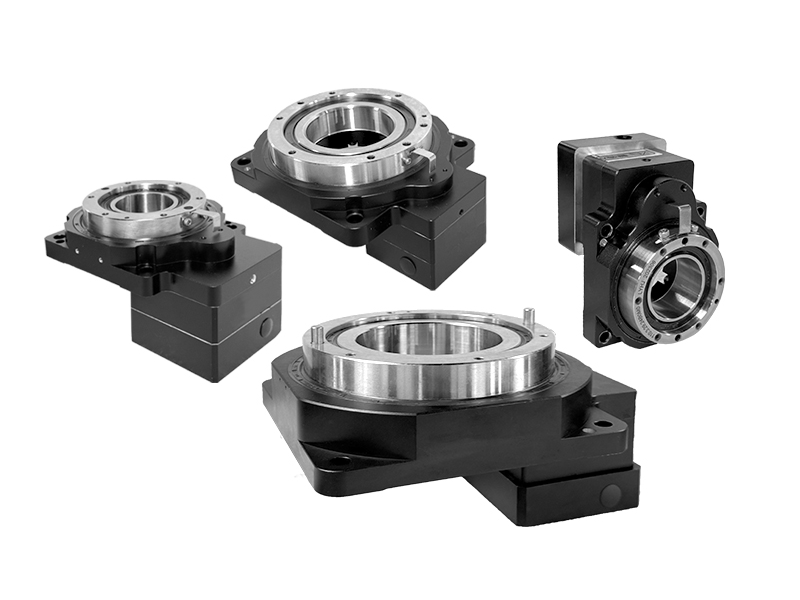
What Is a Hollow Rotary Table?
A hollow rotary table is a rotary positioning platform with a central through-hole. It is selected when a machine needs a stable rotating surface for fixtures, workpieces, inspection targets, or tooling, while keeping space available through the center for cables, tubes, optical paths, or mechanical access.
The main value of a hollow rotary table is the combination of table support and center access. Instead of treating the rotary unit only as a drive component, engineers often use it as a mechanical platform inside an automation system.
This makes it useful for indexing stations, rotary inspection fixtures, assembly modules, CNC auxiliary positioning, laser marking systems, packaging machinery, and custom equipment where the top table carries a fixture or workpiece.
Compared with a general rotary actuator page, this page focuses on the table surface, bore size, fixture installation, load support, indexing function, and practical machine layout.
Page Keyword Boundary
This page is built for the keyword hollow rotary table. It only mentions actuator, servo rotary table, and indexer as related products, not as the main topic.
Why Engineers Use Hollow Rotary Tables
A hollow rotary table is selected when the rotating surface and the center bore both matter to the machine design.
Fixture-Friendly Table Surface
The top table can support fixtures, workpieces, tooling plates, inspection targets, or rotary station components.
Central Through-Hole
The hollow center helps route cables, tubes, vacuum lines, optical paths, or mechanical components through the rotation axis.
Compact Rotary Positioning
The table helps reduce machine height and simplifies the layout compared with separate motor, gearbox, bearing, and table assemblies.
Stable Load Support
Suitable for applications where the table must carry a fixture or workpiece while maintaining repeatable rotary positioning.
Indexing and Positioning
Used for fixed-angle indexing, inspection orientation, part transfer, assembly positioning, and repeated angular movement.
OEM Machine Integration
Mounting hole layout, table diameter, bore size, and motor interface can be reviewed according to machine structure.
How a Hollow Rotary Table Fits Into Automation Equipment
A hollow rotary table is often installed as a functional station inside an automated machine. It may carry a fixture, rotate a part for inspection, index a workpiece between processes, or provide a compact rotary axis for a custom module.
Fixture or Workpiece Mounting
The top table provides a mounting surface for tooling plates, fixtures, jigs, or workpiece holders.
Rotary Positioning Movement
The table rotates to a target angle for inspection, assembly, processing, transfer, or indexing.
Center Bore Access
Cables, air lines, vacuum tubes, optical paths, or central fixtures can pass through the hollow bore.
Machine Space Optimization
The compact table structure helps reduce external transmission parts and makes the automation layout cleaner.
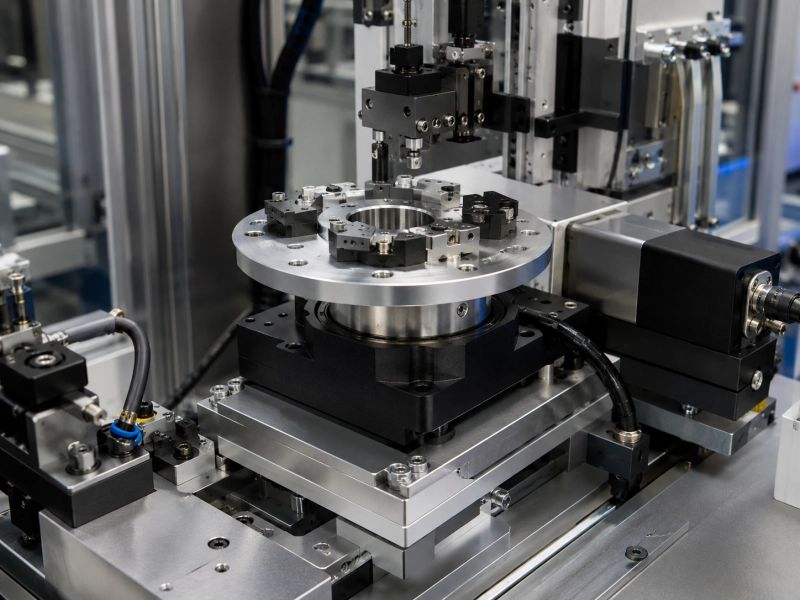
How to Choose a Hollow Rotary Table
The correct hollow rotary table should be selected according to the fixture, load, table size, bore diameter, positioning requirement, and installation space. A table that looks suitable from size alone may still fail if the moment load, accuracy, or mounting structure is ignored.
For custom machines, drawings or simple sketches are often more useful than only a model number. They help confirm table diameter, mounting holes, workpiece position, motor layout, and center bore requirements.
Hollow Rotary Tables in Industrial Equipment
These examples show where the table surface, center bore, and rotary positioning function are useful.
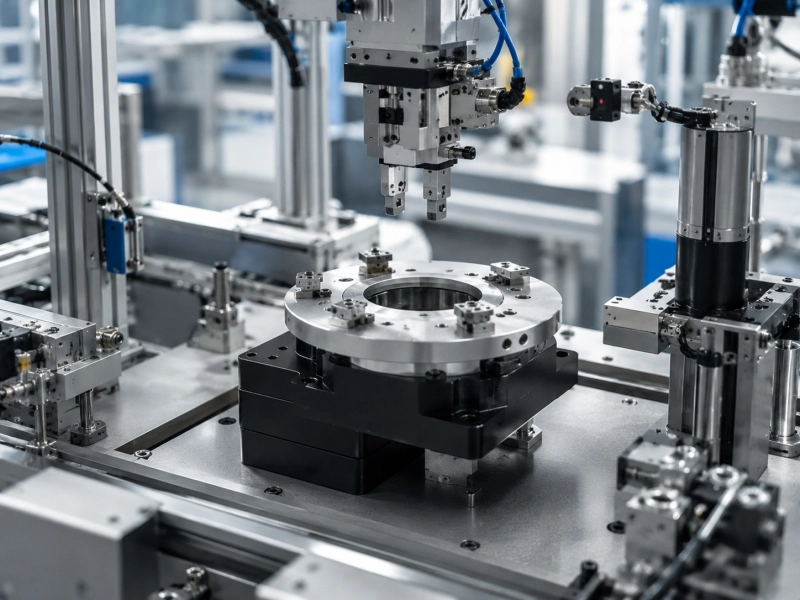
Automated Assembly Stations
Used to rotate fixtures between assembly steps, fastening points, dispensing positions, or inspection processes.
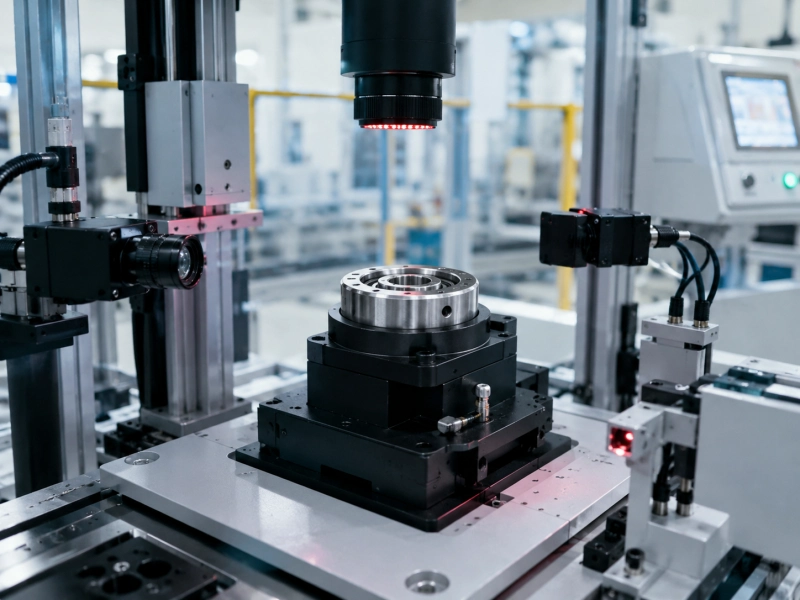
Inspection and Measurement
Supports part rotation for visual inspection, laser measurement, optical alignment, and quality control equipment.

Packaging Machinery
Used in rotary transfer, filling, labeling, sealing, sorting, and multi-station packaging processes.
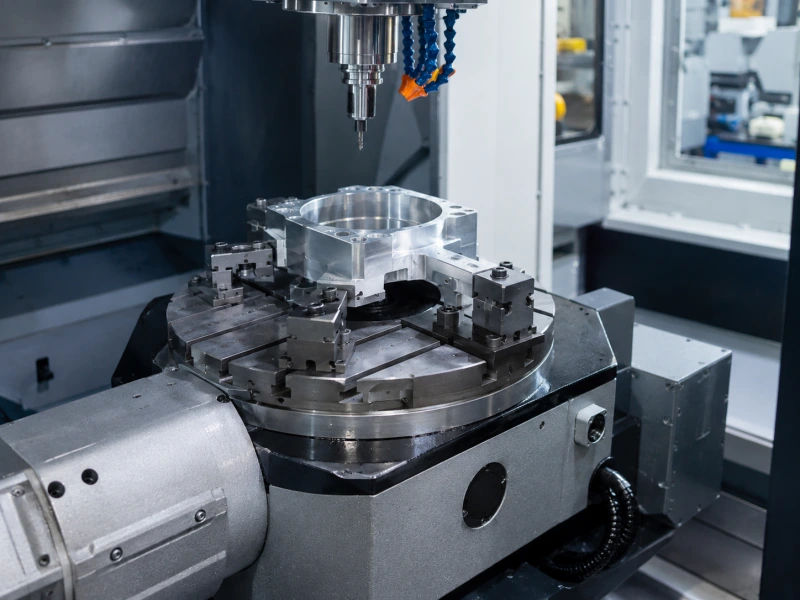
CNC Fixture Positioning
Helps position workpieces, auxiliary fixtures, and rotary tooling modules inside machining or preparation systems.
Hollow Rotary Table vs Related Rotary Products
These terms are related, but each page should target a different buying intent to avoid keyword cannibalization.
Information Needed for Hollow Rotary Table Selection
To recommend a suitable hollow rotary table, it is important to understand the fixture, workpiece, mounting layout, load condition, and motion requirement. A drawing or simple layout sketch can help confirm the selection faster.
If you only know the application but not the exact model, send us the working condition first. We can help evaluate the table size, bore requirement, and mounting direction.
Send Table RequirementFrequently Asked Questions About Hollow Rotary Tables
What is a hollow rotary table used for?
A hollow rotary table is used for fixture rotation, workpiece positioning, indexing, inspection, assembly, packaging machinery, CNC auxiliary positioning, and custom automation systems.
Why does a hollow rotary table need a center bore?
The center bore allows cables, air tubes, vacuum lines, optical paths, or mechanical components to pass through the rotation axis. This helps make the equipment layout cleaner and more compact.
How is a hollow rotary table different from a hollow rotary actuator?
A hollow rotary table emphasizes the rotating table surface, fixture support, load capacity, and indexing or positioning function. A hollow rotary actuator usually emphasizes the complete driven actuator module and servo integration.
Can a hollow rotary table be used in CNC positioning?
Yes. Hollow rotary tables can be used for auxiliary fixture positioning, workpiece orientation, rotary tooling, and custom positioning devices in CNC-related systems.
What factors should I consider when choosing a hollow rotary table?
Important factors include table diameter, center bore size, load weight, moment load, positioning accuracy, backlash requirement, rotation speed, cycle time, mounting direction, and available installation space.
Can the mounting holes or table interface be customized?
For OEM machines, mounting interface, table plate, hole positions, motor adapter, and installation details can be discussed based on drawings or machine layout.
Need a Hollow Rotary Table for Your Fixture or Positioning System?
Send us your table diameter, bore size, load condition, fixture layout, and motion requirement. We will help you evaluate a suitable hollow rotary table structure for your automation equipment.