
Hollow Rotary Actuator for Compact Servo-Driven Automation
A hollow rotary actuator is used when an automation system needs accurate rotary motion, central cable routing, compact installation, and stable load support. It is suitable for machine builders who require a clean rotary structure instead of a separated motor, coupling, gearbox, and table assembly.
Page Focus
This page focuses on hollow rotary actuator selection and application. Related terms such as servo rotary table, servo rotary indexer, and servo rotary positioner are only mentioned for comparison, not used as the main topic.
What Is a Hollow Rotary Actuator?
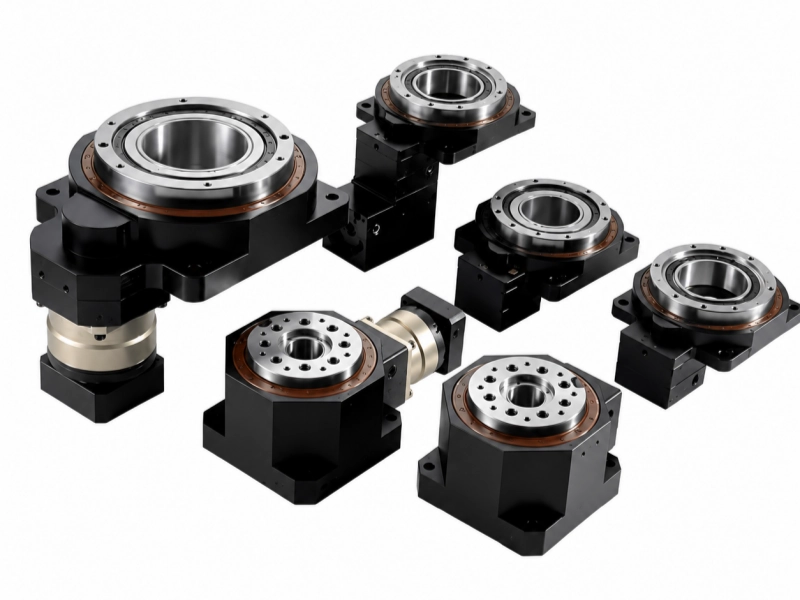
A hollow rotary actuator is a compact rotary motion unit with a central through-hole. It combines rotary transmission, load support, and mounting structure into a practical module for automation equipment. The hollow center allows cables, air tubes, vacuum lines, optical paths, or mechanical fixtures to pass through the rotation axis.
In industrial automation, engineers often choose a hollow rotary actuator when a normal motor-and-gearbox layout creates too much mechanical complexity. The actuator helps simplify the structure, reduce external transmission parts, shorten the drive path, and make the machine layout cleaner.
Unlike a general rotary motor, the hollow rotary actuator is usually selected as part of a positioning system. It must be evaluated together with load weight, table diameter, moment load, hollow bore size, rotation angle, speed, repeatability, backlash requirement, and servo motor mounting conditions.
This product is especially useful in compact equipment where the designer needs rotary movement and center access at the same time. Typical applications include rotary assembly stations, inspection modules, packaging machinery, electronic equipment, robotic fixtures, laser marking systems, and customized automation platforms.
Designed for Space-Saving Rotary Motion
The value of a hollow rotary actuator is not only rotation. It helps solve installation, routing, positioning, and integration problems inside automation equipment.
Hollow Center Structure
Provides a through-hole for cables, air pipes, vacuum tubes, optical components, or tooling structures.
Integrated Rotary Support
Supports rotary table movement and helps reduce separate bearing, coupling, and transmission components.
Servo Motor Matching
Can be matched with servo motors for controlled speed, angle, acceleration, and repeatable positioning.
OEM Installation Flexibility
Mounting plate, flange interface, motor adapter, and bore requirements can be discussed for custom machines.
How a Hollow Rotary Actuator Works in a Machine
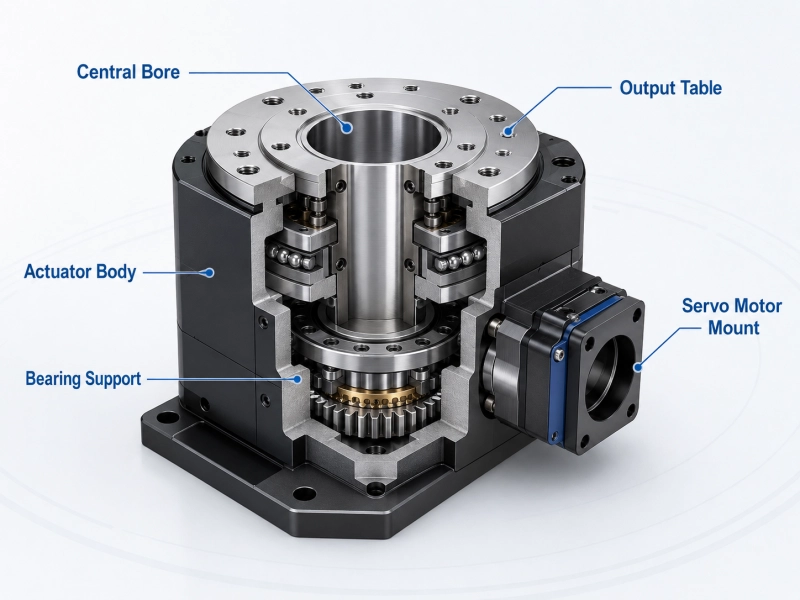
Servo Motor Provides Controlled Motion
The servo motor controls rotation angle, speed, acceleration, and motion cycle according to the machine program.
Transmission Converts Motion to Rotary Output
The actuator structure transfers servo motion to the output table while supporting compact installation.
Central Bore Keeps the Machine Layout Clean
Cables, tubes, fixtures, or optical paths can pass through the center, avoiding messy external routing.
Output Table Supports the Workpiece or Fixture
The top platform can carry a fixture, workpiece, inspection target, gripper module, or rotary station component.
How to Select a Hollow Rotary Actuator
A correct selection starts from the machine requirement, not from the product name alone. Before choosing a model, engineers should confirm the load, hollow bore, torque, speed, accuracy, motor interface, and installation direction.
If you are developing a new machine, drawings and application details are more useful than a simple model number. They help confirm whether the actuator structure can fit your space, carry the required load, and meet your motion cycle.
Where Hollow Rotary Actuators Are Commonly Used
This product is suitable for applications that require rotary positioning and center access within a compact mechanical layout.

Robotics and Automation
Used for robot workstations, rotary fixtures, feeding systems, positioning modules, and custom automation cells.

Packaging Machinery
Suitable for filling, labeling, sealing, inspection, sorting, transfer, and rotary station movement.

Inspection and Laser Systems
Supports controlled part rotation for visual inspection, laser marking, measurement, and optical positioning.
CNC and Fixture Positioning
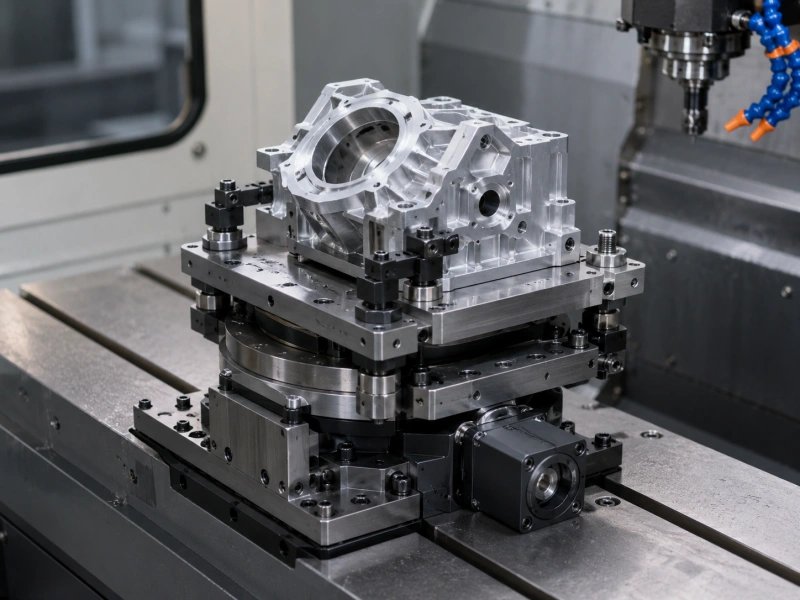
Used in auxiliary positioning devices, indexing fixtures, rotary tooling, and workpiece orientation modules.
Hollow Rotary Actuator vs Related Rotary Products
These product names can overlap in real projects, but each one usually reflects a different engineering priority.
OEM Support for Machine Builders
For automation equipment, a standard actuator may not always fit the machine layout. Custom interface details can often decide whether installation is smooth.
Motor Adapter
Servo motor flange, shaft size, coupling method, and adapter structure can be reviewed based on your motor model.
Mounting Interface
Mounting holes, plate dimensions, installation direction, and machine connection requirements can be discussed.
Application Matching
Load, torque, speed, positioning accuracy, and operating cycle can be evaluated for your specific equipment.
Send These Details for Faster Selection
If you are not sure which hollow rotary actuator model is suitable, send your application information first. A clear requirement helps reduce wrong selection and shortens the quotation process.
Drawings, photos, motor information, and target motion conditions are especially helpful for OEM projects and custom automation equipment.
Send Application DetailsFrequently Asked Questions About Hollow Rotary Actuators
What is a hollow rotary actuator used for?
A hollow rotary actuator is used for compact rotary positioning in automation equipment. It is commonly applied in robotic workstations, packaging machines, inspection systems, electronic assembly equipment, CNC positioning fixtures, and custom machinery.
Why does a hollow rotary actuator have a center hole?
The center hole allows cables, air tubes, vacuum lines, optical paths, or mechanical fixtures to pass through the rotation axis. This helps keep the machine layout cleaner and reduces external routing problems.
How is a hollow rotary actuator different from a hollow rotary table?
A hollow rotary actuator usually emphasizes the complete motion unit and servo-driven integration, while a hollow rotary table usually emphasizes the rotating platform, table size, load support, and fixture positioning function.
Can a hollow rotary actuator work with a servo motor?
Yes. Hollow rotary actuators are commonly matched with servo motors to achieve controlled angle, speed, acceleration, and repeatable positioning in automatic equipment.
How do I choose the right hollow rotary actuator?
Key factors include load condition, hollow bore size, output torque, rotation speed, positioning accuracy, backlash requirement, motor mounting dimensions, installation space, and operating cycle.
Can you support custom mounting or motor adapter requirements?
Yes. For OEM machines, motor adapters, mounting plates, flange interfaces, hole positions, and installation details can be discussed based on your motor model and machine drawing.
Need a Hollow Rotary Actuator for Your Automation Equipment?
Send us your load condition, hollow bore requirement, motor information, installation space, and application details. We will help you evaluate a suitable hollow rotary actuator structure for your machine.